

Inside the lab: from rock sample to gold analysis
During a recent visit to AGAT Laboratories in Thunder Bay, members of the First Class Metals' team were given a behind-the-scenes look at how rock samples are transformed into precise analytical data used by the exploration and mining industry.
Matthew Alexander, National Lead for AGAT Laboratories, guided Marc, Siddharth and Inga through the full journey of a sample - from the storage yard to the final analytical report.
The Thunder Bay laboratory specialises in analysing gold and silver, while multi-mineral samples are sent to AGAT’s Calgary laboratory for further analysis.
The visit provided a detailed look at the journey each rock sample takes inside the laboratory and highlighted the precision, controls and scientific expertise involved in determining the gold content of geological samples.
Step 1: Crushing the Samples
The process begins outside the laboratory, where rock samples are securely stored before being brought inside for preparation.
Here, the samples are crushed into smaller fragments before being pulverised into a fine powder.
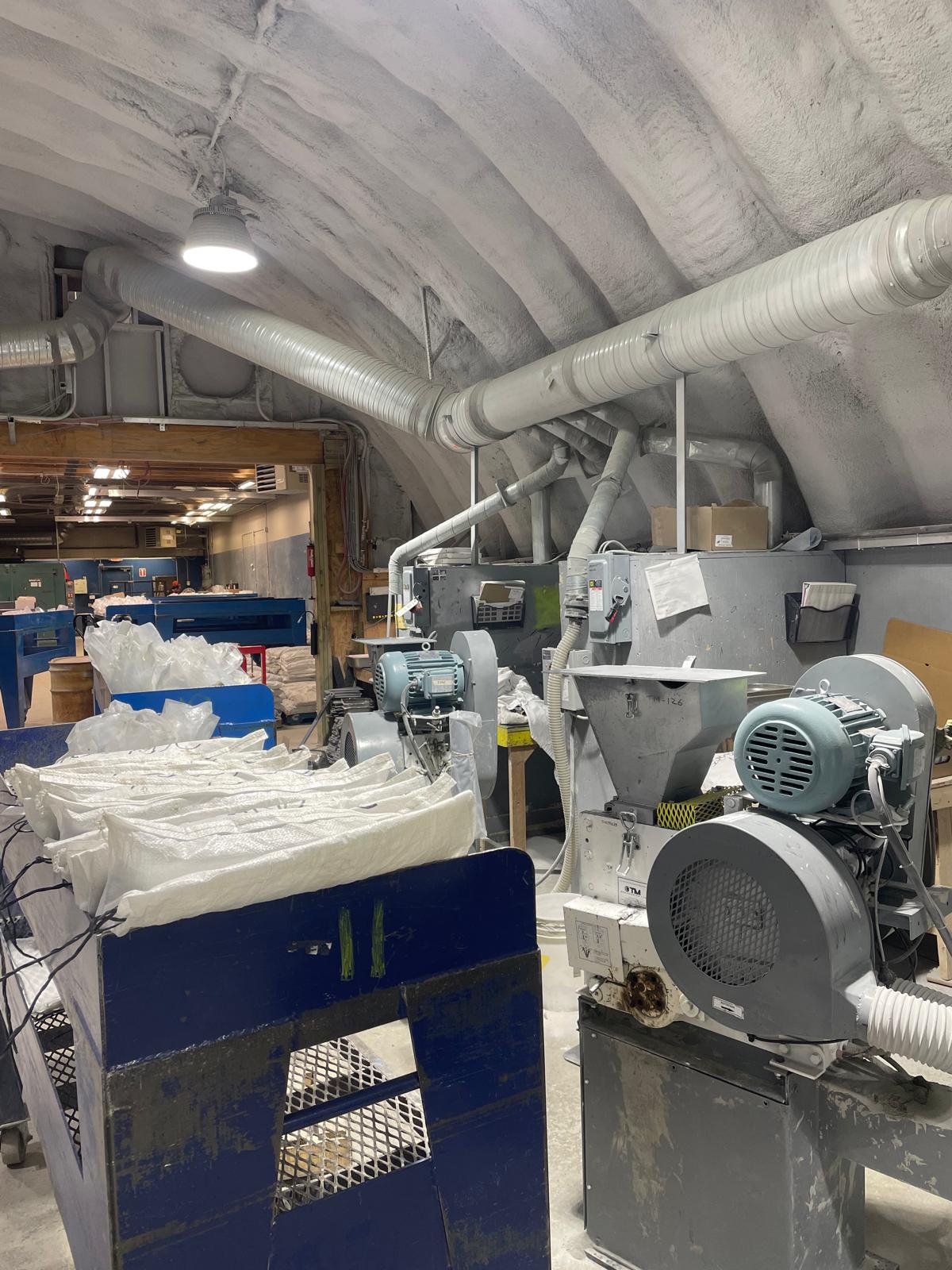
Rock samples are crushed and pulverised into fine powder as the first step in laboratory preparation.
Step 2: Preparing the Pulp
Once pulverised, the material - known as pulp - is carefully weighed and divided into equal portions, which are placed into small plastic containers ready for analysis.

Pulverised rock, known as pulp, is weighed and divided into containers ready for analysis.
Strict contamination controls are essential. Samples must leave the preparation area through a special isolation portal, known as a “dog door,” to prevent cross-contamination. Staff and visitors are also required to wear protective overshoes in this area.
Step 3: Storage Before Fire Assay
Prepared samples are then stored and organised before moving on to the fire assay process, the industry-standard method for determining gold content.

Prepared samples are organised and stored before entering the fire assay process.
Step 4: Fire Assay
The pulp samples are then placed in special cups with additional reagents and heated in a furnace at around 1,200°C.
During this process:
The sample melts and separates
A small bead containing gold and silver forms
A glass-like by-product, known as slag, remains in the cup and is disposed of as specialised waste.

Pulp samples mixed with reagents in assay cups prior to heating in the furnace.
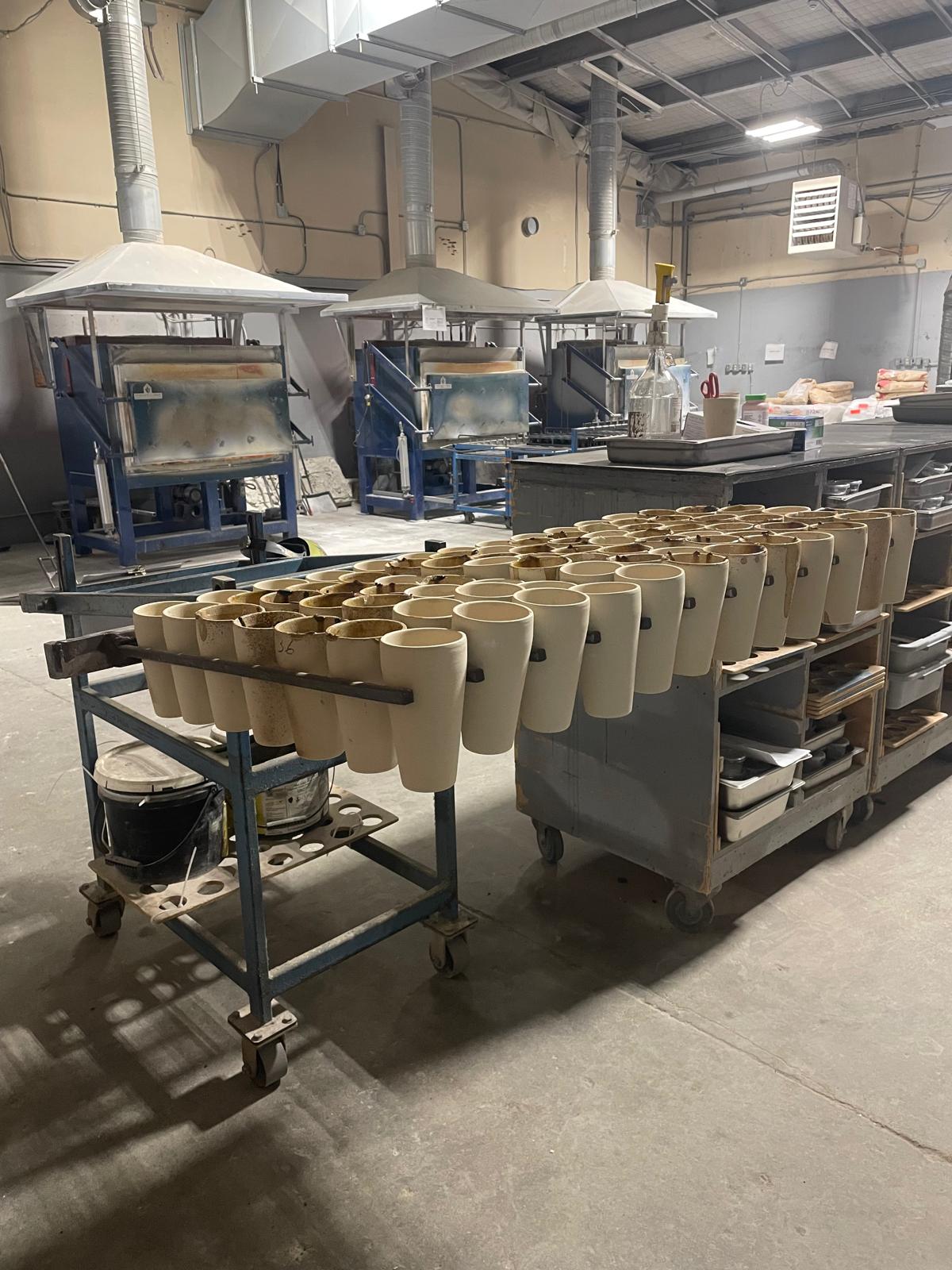
Assay cups with prepared samples staged before furnace processing.
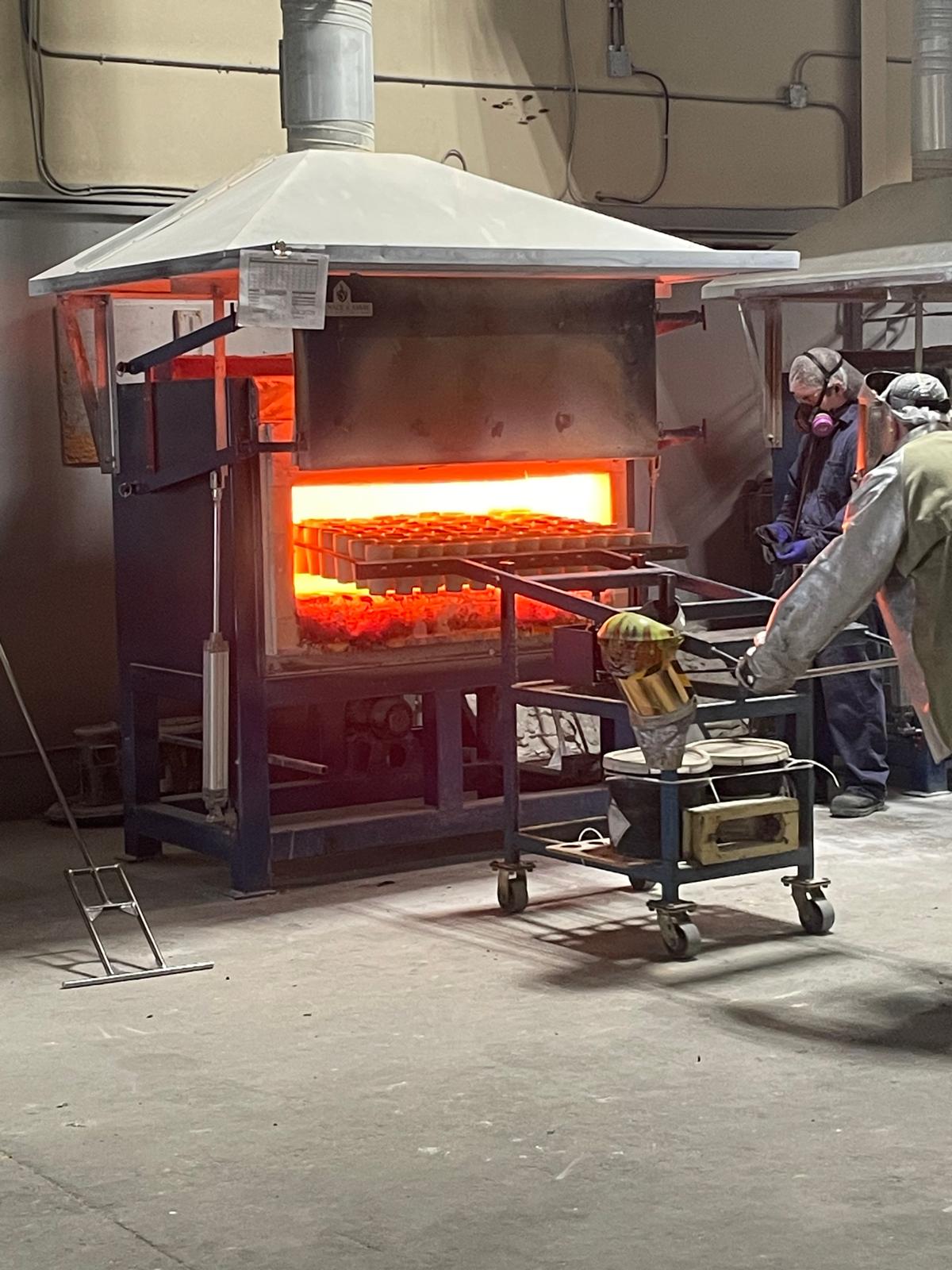
Samples are heated to around 1,200°C to separate precious metals from the rock material.

After heating, a small bead containing gold and silver separates from the slag.
Step 5: Chemical Extraction and Automated Analysis
The precious metal bead is then chemically dissolved into a solution, allowing automated instruments to accurately measure the gold concentration.

Step 6: Data Verification
Once the results are produced, specialist analysts review the data to ensure the results are plausible and consistent. In some cases, counter samples are needed for a second round of processing.
If unusually high gold values are detected, the laboratory may conduct additional testing, such as gravity analysis, to verify and refine the results.

Automated laboratory instruments measure gold concentrations after chemical extraction.
The First Class Metals' team would like to thank the Matthew Alexander and the rest of the AGAT Laboratories team in Thunder Bay for their time and for providing such an insightful tour of the facility. The visit offered a valuable opportunity to better understand the detailed processes and scientific expertise behind laboratory analysis in the mining industry.
0
likes
•
0
questions
•
0
company answers
Ask a question
Your question will be sent privately to First Class Metals. The company may choose to make this question public.
Investor Q&As
Start the conversation
Ask First Class Metals a question about this update.